Whether I’m designing a poster, a book, a lesson, or an app, my design process is similar: it’s all about the user.
In December of 2020, I decided I wanted to make a big change in my life. I was ready to try something new and utilize skills in my professional life that had, primarily, been used in my community work and personal projects. I signed up for a bootcamp on User Experience Design at General Assembly.
What surprised me the most was realizing that I had been a UX Designer all along. It’s just that for nine years I’d called the process “Learner Centered Instruction,” and my users had been adolescents struggling to read.
What I gained in my UX course was a more systematic approach to design, industry-specific trends and language, and the confidence to use professionally the skills I’ve been using for over ten years.
The stages of User Experience design were familiar to me as a teacher and as a publisher. As a teacher, my design process was about ensuring students understood directions, were supported through the process, and kept their anxiety low. As a UX designer, my goals are the same.
“[User Experience Design is] understanding the user’s problems the way they understand them, and then becoming an advocate for them in the design process.”
— Hannah Moore, UX Designer, Dell Inc.
Phase One:
Curiosity & Empathy
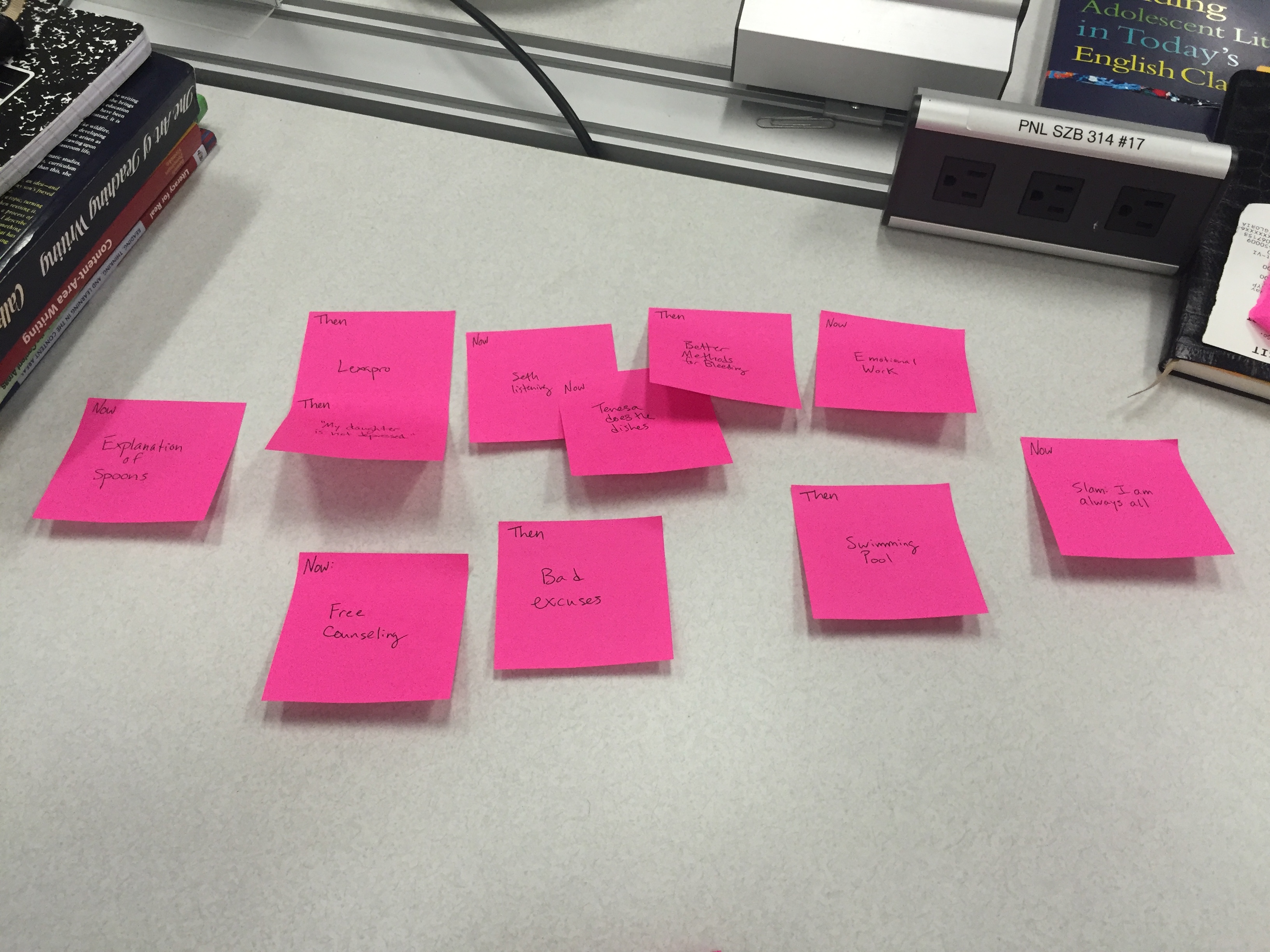
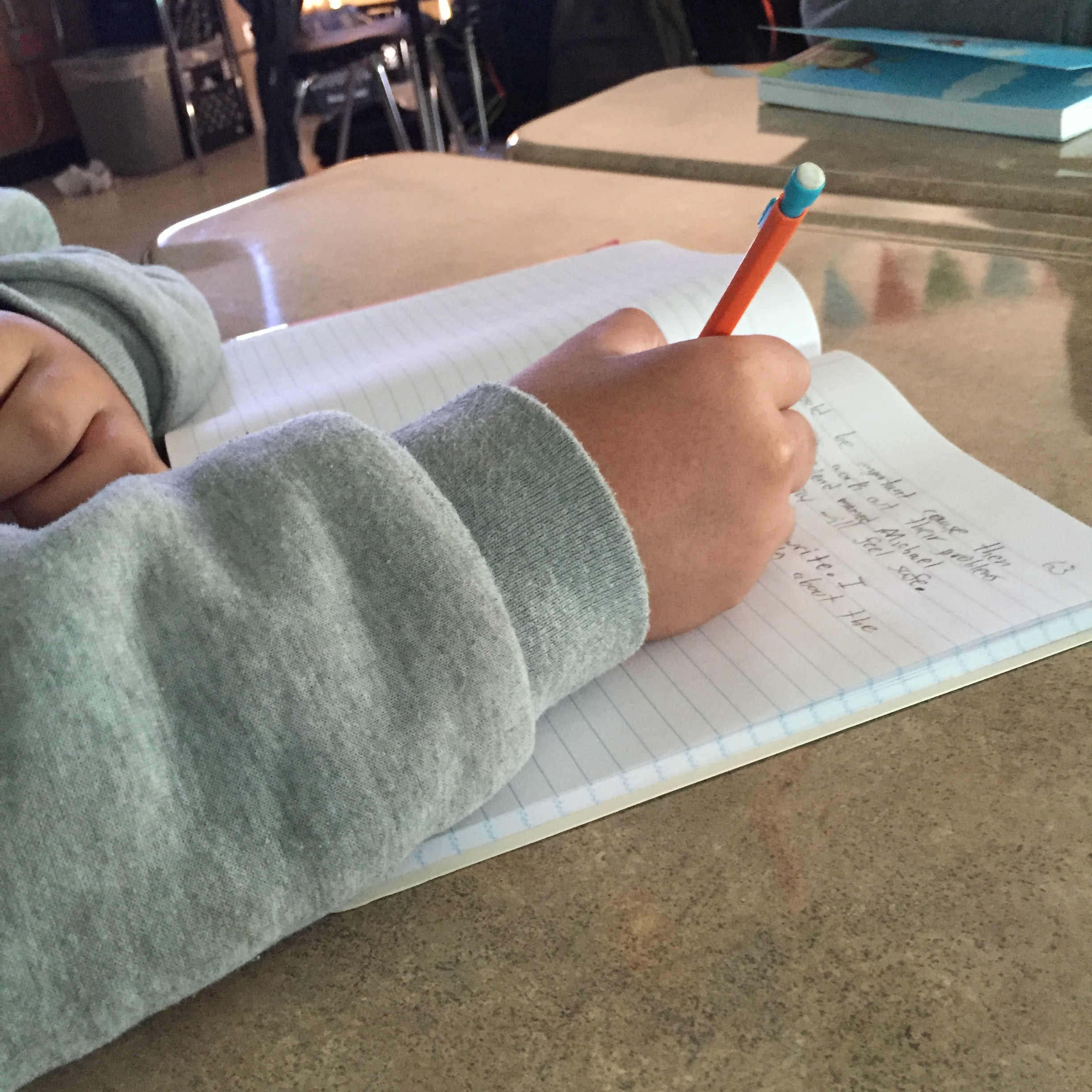
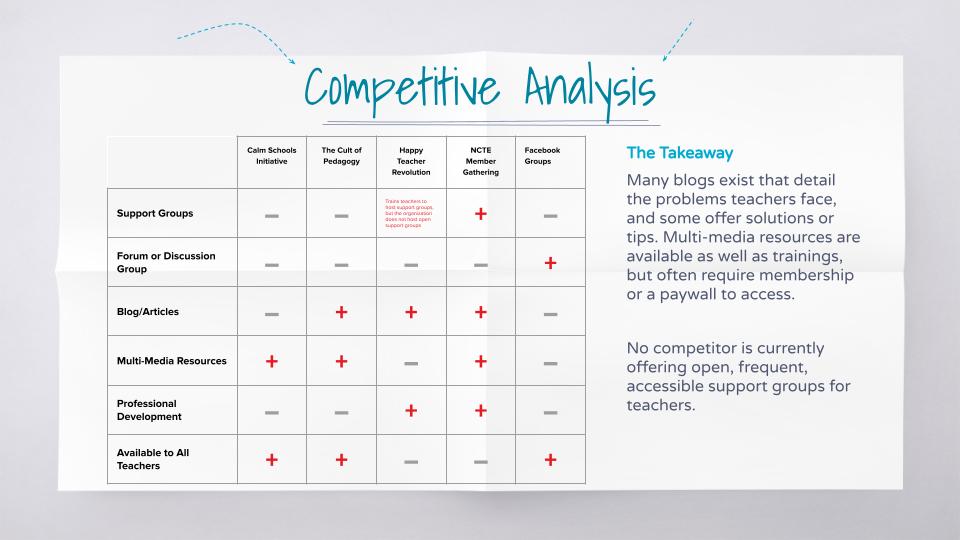
Before sketching out a design, blocking a book layout, or compiling a unit of study, this often ignored stage of the design process is critical to ultimately offering a quality product. I begin each design with a series of exercises meant to help me better serve the needs of my “user.”
My “user” might be the poetry fan who will buy my client’s book, or a stressed out mom that just downloaded my client’s app. Often, my “user” has been a 12 year old with ADHD who’s struggling in Reading and Writing. Whoever my “user” is, my goal is to support them in their goals, which requires that I understand their goals.
In order to understand my user better, I may:
- Perform a Contextual Inquiry
- Perform a Competitive Analysis
- Conduct User Interviews
- Research and Analyze Data on my Users
“Research is worth nothing if you don’t act on it properly. The leap between research insight and the design action is the most important part of a UX designer’s job.”
— Harry Brignull, UX Consultant
Phase Two:
Plots & Blueprints


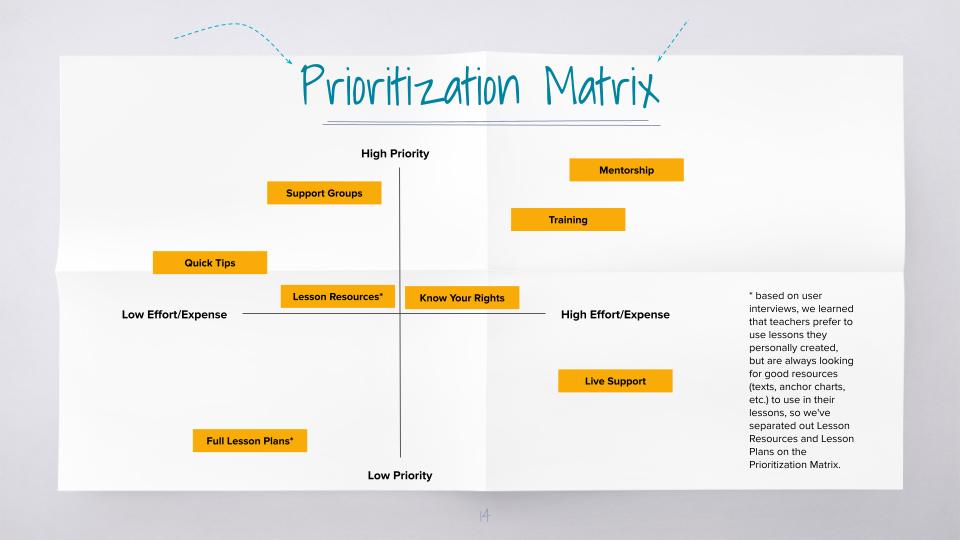
Once I have learned a great deal about my user’s needs, it’s time for me to become their advocate. Before I begin thinking about colors, fonts, and layouts, I need to think about the client’s goals and the user’s needs. I begin by looking at the insights I gleaned through research and/or data analysis. I think about what my user needs and ideate solutions to those problems.
In order to prepare myself for the design process I:
- Construct an Affinity Map
- Create Personas Based on User Trends
- Identify Pain Points and User Needs
- Generate Feature Options
- Feature Prioritization
- Sitemaps, User Flow, and User Journey maps
“Design used to be the seasoning you’d sprinkle on for taste; now it’s the flour you need at the start of the recipe.”
— John Maeda, Designer and Technologist
Phase Three:
Composition & Creation
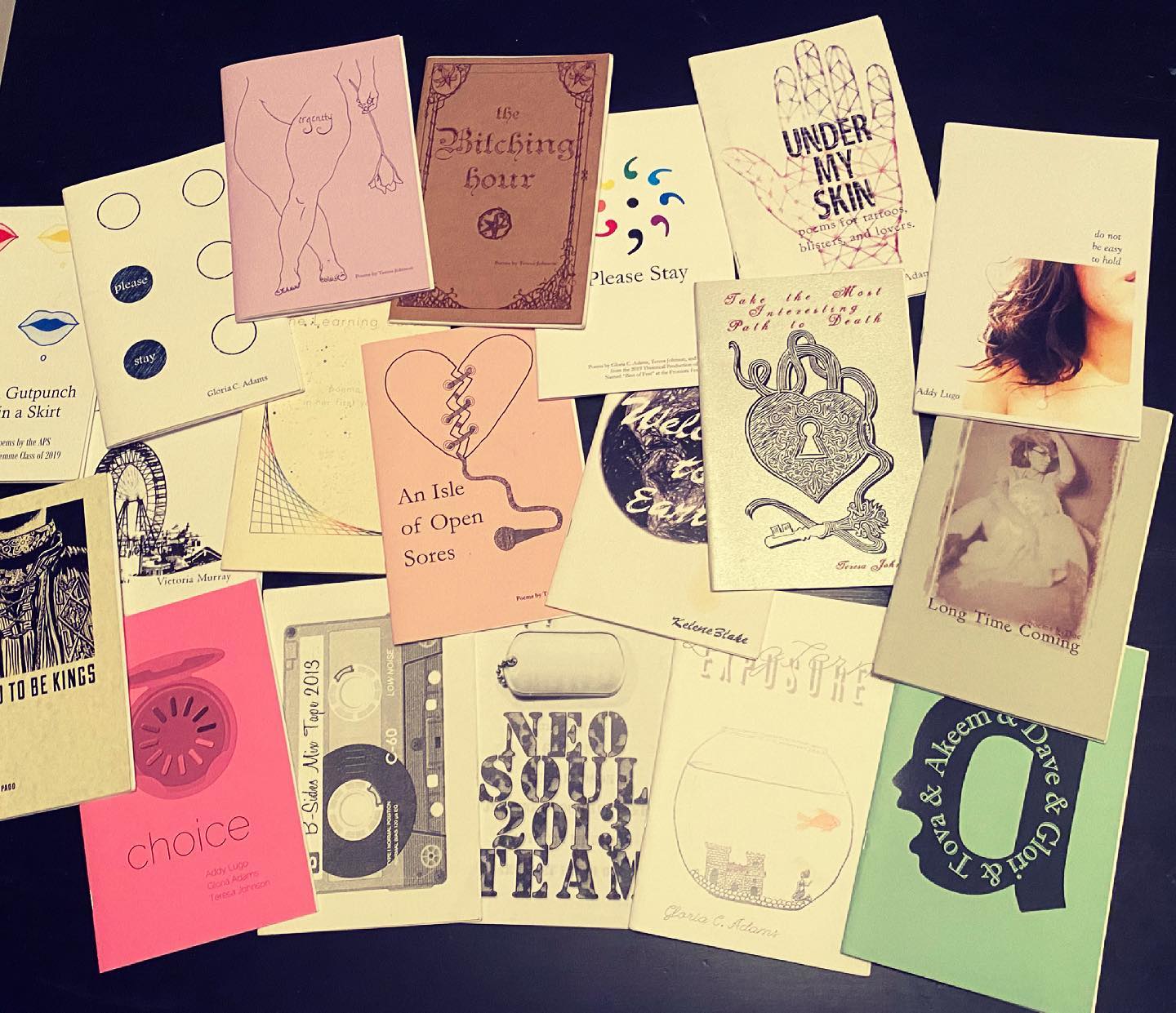

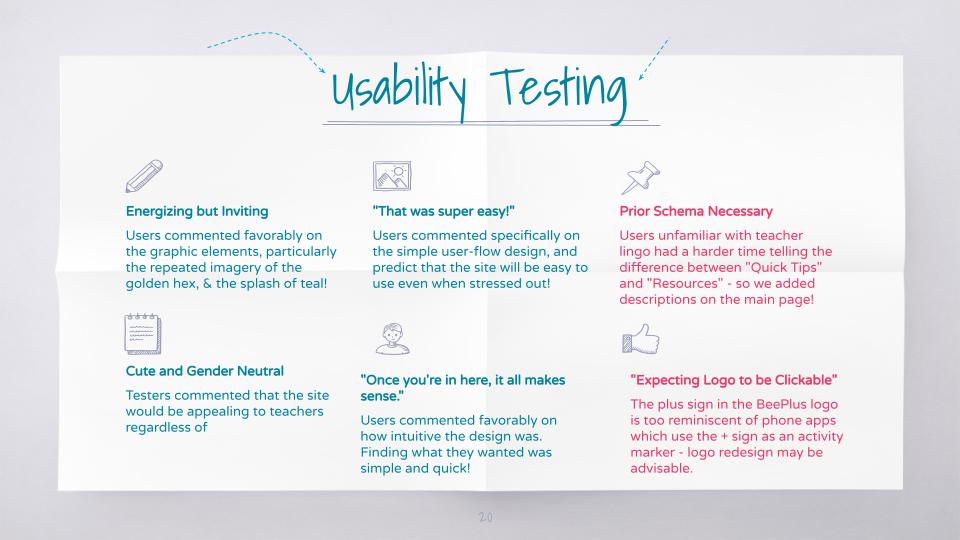
At last, we arrive at the most fun stage: design. The design process can be different for each project: I may start with a paper sketch for a website, or a list of questions for a lesson plan. Some projects require starting with wireframes, while others require starting with writing copy. Choosing the appropriate program based on the final product is key. Paying close attention to color scheme, typeface, alignment, and consistency is the most time-consuming part of the process, but it’s that attention to detail that makes design sing.
Throughout the Design Process I may:
- Sketch out the project on paper
- Build wireframes to map out the layout
- Build a Prototype
- Run Usability Tests
- Iterate
- Integrate Feedback from Users
“Designers are educators, whether they are designing learning experiences as a part of their professional practice or they are designing learning experiences for others. Educators are designers—using empathy and a student-centered approach to reach more students and increase positive learning outcomes.”
— Katie Krummeck, Univeristy of Texas School of design and creative technologies
As a teacher, this process often happened all within a single day: analyzing student data or grading student work as a form of User Research, talking to other teachers or looking up resources online as a kind of Competitive Analysis. Filling up post-its with insights, accommodations, and needs as a form of Affinity Mapping – making a unit plan to Feature Prioritize, and finally, opening up Publisher, Audacity, Nearpod, or Canva to begin putting it together- at all times considering the needs and struggles of my students.
As a publisher for Piecemeal Press and community leader for Austin Poetry Slam, this process involved less formal research: meeting with community members to discuss their ideas and pain points, communicating those ideas to leadership. Leading committees to get projects done. Preparing presentations, marketing materials, and maintaining records for the business. These projects often took much more time, involved a great deal of collaboration, and allowed for multiple iterations and edits on my design.
What I love the most about design is that it is a little different every day: the creative nature of the job lends itself to engaging, collaborative work.

UX Design Case Study:
BeePlus Website
BeePlus served as my final project in my UX Design course with General Assembly. I created this over the course of six days, including all interviews, iteration, presentation, and design work. I learned a lot through this process, and enjoyed working alongside my classmates. I look forward to finding work where I can use these skills, and further develop my design process.
 Gloria Adams